Have you ever asked yourself what actually makes one plant less of a threat around your home during wildfire season and another more hazardous?
Wildfire seasons seem to be stretching longer and hitting harder in many regions. That means as property owners, gardeners, or people responsible for landscaping, we have to think about how our choices in vegetation affect not only aesthetics but safety too. I’m going to walk you through how plants behave around fire and what we can do to reduce risks in our yards and landscapes.
Table Of Contents
Understanding Wildfire And Plant Behavior
Key Traits Of Plants That Are Better Options
How We Should Think About Placement
Maintenance Habits That Make A Difference
The Role Of Landscape Design
Why Fire Behavior Changes Seasonally
Professional Guidance Makes A Big Difference
The Bigger Picture
Conclusion
FAQs
Understanding Wildfire And Plant Behavior
Wildfire is fire that spreads through vegetation. It uses oxygen, heat, and fuel to sustain itself. While you cannot make a plant fireproof, you can make choices and manage your landscape so that the plants around your home are less likely to contribute to intense fire behavior.
Why Some Plants Burn Faster
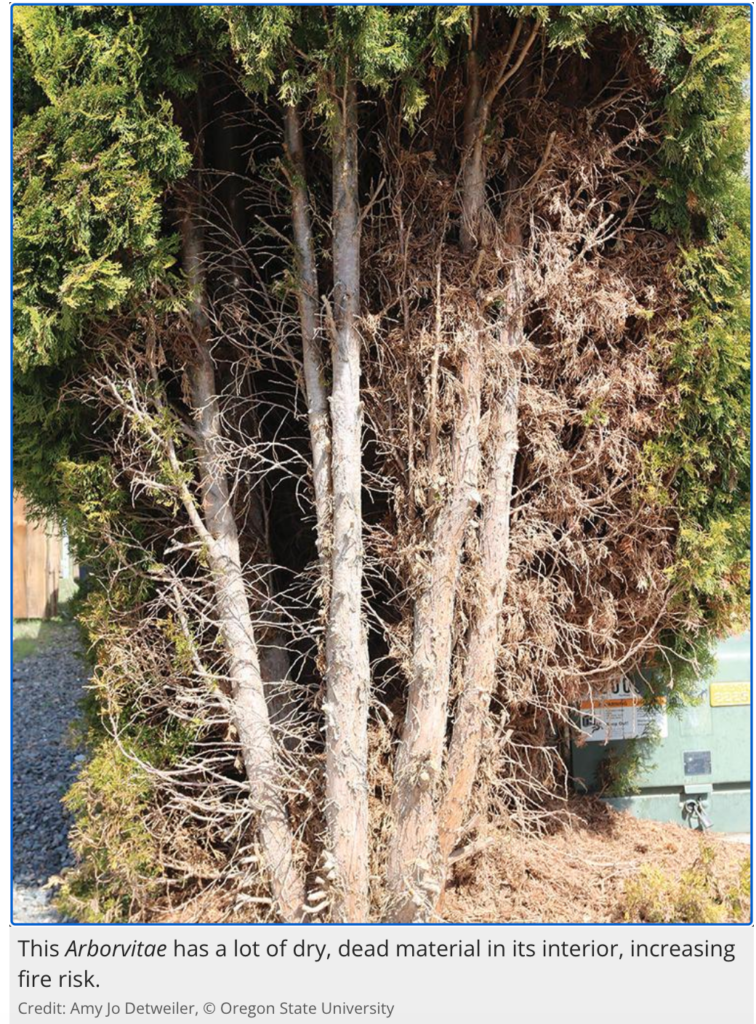
Plants can contain oils, resins, dry dead materials, or fine needle foliage that ignites more easily and burns hotter. When these characteristics are present, wildfires can spread quickly through them.
Even highly marketed “fire‑safe” plants are only as good as the environment they’re in. A plant that is well‑watered and maintained will resist ignition better than the same species under drought stress.
Key Traits Of Plants That Are Better Options
There are general traits that make a plant a better choice when you’re thinking about wildfire risk in your landscape.
High Moisture Content
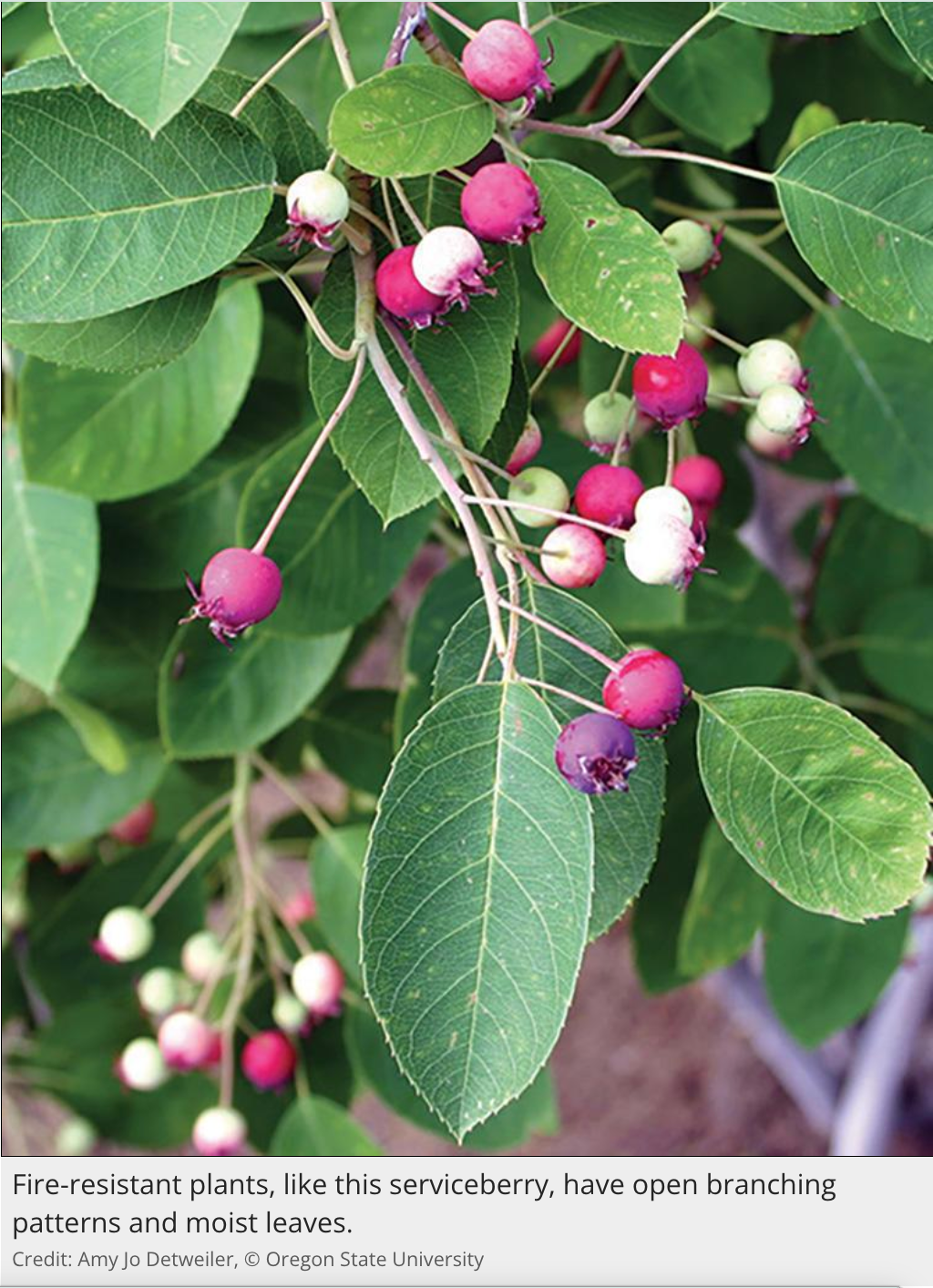
Plants that are naturally juicy or consistently watered tend to hold more water in their leaves and stems. Water doesn’t burn well, so these plants are less likely to ignite.
Low Volatile Oils And Resins
Avoid plants that have a strong scent when crushed or sticky resinous sap. Those oils and resins are fuel that can help a fire spread.
Minimal Dead Material
If a plant drops a lot of leaves or sticks, or if dead wood accumulates in and around it, this adds fuel. Choosing plants with open architecture and removing dead material reduces that risk.
Compact Or Moist Leaf Structure
Plants like succulents or herbaceous perennials with thick leaves can resist ignition because they do not provide a large continuous path for fire to travel.
How We Should Think About Placement
Selecting the right plant is only part of the equation. Where and how you plant them matters just as much.
Create Defensible Space Around Structures
Defensible space is a zone close to a home or building where vegetation is managed to reduce wildfire intensity. Typically this means keeping plants well‑spaced, low to the ground, and well‑watered.
Fire can jump gaps of vegetation. If shrubs or trees are crowded together, they act as a ladder fuel that helps flames climb from ground level into canopies and structures.
Don’t Plant Flammable Species Near The House
Avoid plants with high resin content, dense needles, and heavy dead debris within the first 30 feet of your home. This helps reduce fire intensity if embers land there.
Vertical Clearance
Make sure tree branches are lifted at least several feet above the ground so that fire cannot easily climb them.
Maintenance Habits That Make A Difference
Plant selection and placement are crucial, but even the best choices can fail if we don’t maintain them.
Regular Pruning
Keeping trees and shrubs trimmed prevents excess dead branches and reduces the density of foliage. This limits how fire can travel.
Remove Dry Debris Promptly
Dead leaves, broken twigs, and dried flower stalks are fuel. Clearing them away keeps the landscape greener and less fire‑prone.
Hydrate During Dry Periods
Regular watering, especially in hot dry months, keeps plants full of moisture which reduces ignitability. However, be careful not to overwater and create other issues like fungal growth.
The Role Of Landscape Design
Safety around wildfires isn’t just about individual plants. It’s about the patterns and composition of the entire yard.
Incorporate Hardscape Materials
Non‑combustible materials like gravel, rocks, and stone pathways break up vegetation and can act as fuel breaks. These features slow down fire spread.
Use Native Plants Wisely
Native species are adapted to local climate conditions, but not all native plants are low flammability. Choose wisely and maintain them so that they stay healthy and retain moisture.
Stagger And Space Plantings
Dense rows create continuous fuel loads. Breaking plantings into islands with space between them gives fire less continuity to travel.
Why Fire Behavior Changes Seasonally
During extended drought or heat waves, plants dry out and accumulate dead material more quickly. What was once safer can become riskier if you don’t adapt your care routine.
That’s one reason why seasonal maintenance becomes critical in the peak of the wildfire season. Cutting back early in spring and keeping debris under control through summer can make your property more resilient.
Professional Guidance Makes A Big Difference
When you’re caring for a landscape in a fire‑prone area, it’s important to get expert help. One useful resource is our team of professional arborists who can help assess plant health, spacing, and species choices that suit your particular site.
At Urban Timber Tree, we frequently work with clients to make informed decisions about plant placement and care practices that improve safety while maintaining beauty and ecological value.
What You Should Do Right Now
Whether you’re just thinking about planting, or you already have an established yard, here’s what you can do:
Check the species you have near structures and consider replacing highly flammable plants with safer alternatives.
Water and prune regularly during dry months.
Remove dead materials and keep lawns mowed.
Ask a qualified professional to review your landscape and give recommendations.
What You Should Avoid
Planting dense bushes or trees right next to your home
Letting plants go without water in peak heat
Ignoring dead branches and debris buildup
The Bigger Picture
While individual plants matter, wildfire safety is always about the whole landscape and how we manage it over time. Replacing flammable species, maintaining moisture, and creating clean space between vegetation and structures all contribute to reducing fire risk.
Even with the best planning, remember no plant is fireproof. What we are doing is making choices that slow fire down, reduce how intensely it burns, and give us more control if a wildfire threatens our property.
Conclusion
Wildfire season forces us to think differently about our gardens and landscapes. Instead of just planting what looks nice, we must choose plants that are less likely to ignite, keep them healthy and watered, and arrange them in ways that interrupt fire pathways. With thoughtful care and regular maintenance, you can make your property safer during wildfire season and enjoy living in a greener, more fire‑aware environment.
Frequently Asked Questions
What is the difference between fire‑resistant and fire‑safe plants?
A fire‑resistant plant has traits that make it less likely to ignite and burn intensely. Fire‑safe is a term used in marketing but doesn’t guarantee resistance. Care and environment often matter more than name labels.
Can any plant be completely fireproof?
No. All plants contain some combustible material and can burn under extreme conditions. Your aim should be to reduce how easily they ignite.
How often should I prune my plants to reduce fire risk?
Prune annually or more often if you live in a very dry climate. Regular pruning removes dead wood and increases airflow.
Should I water plants differently during wildfire season?
Yes. Monitor moisture levels and water deeply, especially when conditions are hot and dry. A healthy plant with full moisture is less likely to burn.
Is mulch around plants a fire risk?
Some mulches can be combustible. Gravel or rocks are safer near structures, while composted wood chips may be better than dry bark mulch in areas further out.
Make Your Landscape Safer During Wildfire Season
→ Identify plants that reduce fire risk around your property → Maintain your yard with expert guidance from our team → Create defensible space to protect your home and loved ones
With over 2 decades of experience in the tree care industry, Jeremy Wagener is the founder and heart behind Urban Timber Tree Service, a family-owned company dedicated to preserving and enhancing Portland’s urban canopy. As a certified arborist and passionate environmentalist, Jeremy started Urban Timber Tree Service in 2014 to provide expert tree care solutions that promote the health, beauty, and sustainability of Portland’s natural landscape.