How Dead Trees and Brush Raise Wildfire Risk at Home
Wildfire risk can increase when dead trees, fallen branches, dense brush, and other vegetation are allowed to build up around a property. For Portland homeowners, managing these materials is an important part of maintaining a safer, healthier landscape. Trees are valuable to Portland’s urban environment, providing shade, habitat, privacy, and beauty. The goal is not to remove healthy trees unnecessarily. Instead, homeowners should identify vegetation that could contribute to wildfire spread and address it through appropriate tree care and landscape maintenance. Portland Fire & Rescue recommends creating defensible space around homes by reducing combustible vegetation, removing dead plant material and downed limbs, trimming trees, and addressing ladder fuels that can carry fire from the ground into tree canopies.
In this Post
Why Dead Trees Can Increase Wildfire Risk
How Brush Can Help Fire Spread
What Is Defensible Space?
5 Signs Your Property May Have Excess Wildfire Fuel
When Tree Trimming Can Help
When Tree Removal May Be the Better Option
Don’t Overlook the Area Around the Tree
What Happens After a Tree Is Removed?
Regular Tree Care Can Help Reduce Risk
Protect Your Property While Preserving Healthy Trees
Why Dead Trees Can Increase Wildfire Risk
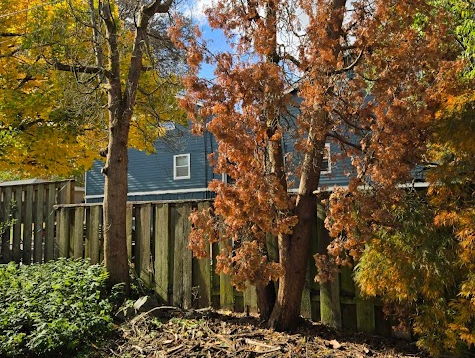
Dead trees and dying vegetation contain dry, combustible material that can contribute to wildfire fuel. As vegetation loses moisture, it can ignite more readily under hot, dry, and windy conditions. Portland’s urban forest guidance notes that dead and dry vegetation can burn more easily than live vegetation and that dense areas containing dead or dying trees, low branches, and other vegetation can contribute to wildfire spread.
A dead tree can also shed branches over time. Those branches may accumulate on the ground and add to the amount of combustible material around the property. Location matters, too. A dead or declining tree near a home, garage, deck, fence, or other structure deserves particular attention because of its proximity to areas that homeowners are trying to protect. Not every unhealthy-looking tree needs to be removed. An arborist can evaluate its condition and determine whether pruning, monitoring, or removal is the appropriate solution.
How Brush Can Help Fire Spread
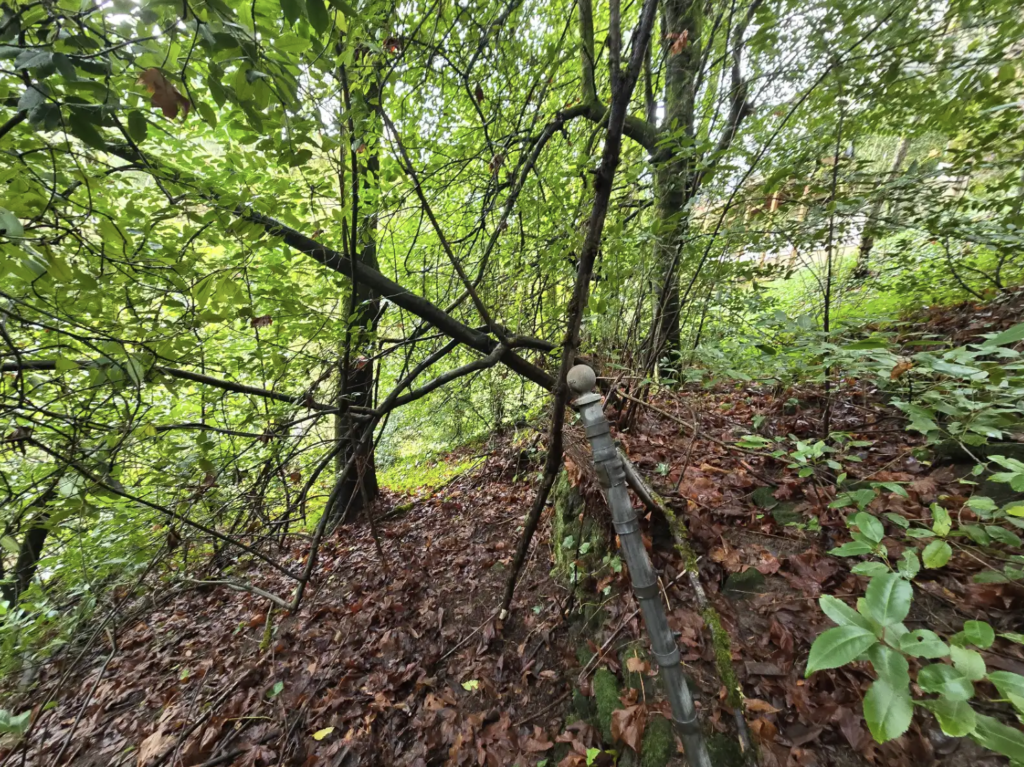
Brush and dense vegetation can create another wildfire concern when different layers of vegetation grow close together. This is especially important when low-growing plants, shrubs, vines, and branches create a continuous path from the ground into the canopy. These materials are commonly called ladder fuels because they can allow fire to move upward into trees.
Portland Fire & Rescue identifies ivy, saplings, brush, blackberries, clematis, and low-hanging branches as examples of ladder fuels that should be addressed when creating defensible space. Dense brush can also make it more difficult to maintain clear separation between different areas of vegetation. Reducing this continuity can be an important part of wildfire risk reduction.
What Is Defensible Space?
Defensible space is the area around your home that is maintained to reduce the amount of combustible vegetation and other materials available to a wildfire. In Portland, this includes managing dead vegetation, downed limbs, brush, and ladder fuels while keeping trees properly maintained. For more practical guidance, read Urban Timber Tree Service’sfire prevention tips for homeowners
Portland Fire & Rescue describes three areas for defensible-space work:
Immediate Zone – 0 to 5 feet from the structure
Intermediate Zone – 5 to 30 feet
Extended Zone – 30 to 100 feet
The recommendations vary depending on the zone, but the overall approach is to reduce combustible materials, create separation between vegetation, and remove potential pathways that could allow fire to move toward a structure. For homeowners, this means wildfire preparation can involve much more than simply looking at the trees themselves. The ground around the trees, nearby shrubs, fallen branches, leaves, and other vegetation all deserve attention.
5 Signs Your Property May Have Excess Wildfire Fuel
A regular walk around your property can help you spot conditions that may need professional attention.
1. Dead or Dying Trees
A completely dead tree or one showing significant decline should be evaluated, especially if it is close to a home or other structure. Dead trees can become a source of combustible material, while weakened trees may also present structural concerns.
2. Dead or Broken Branches
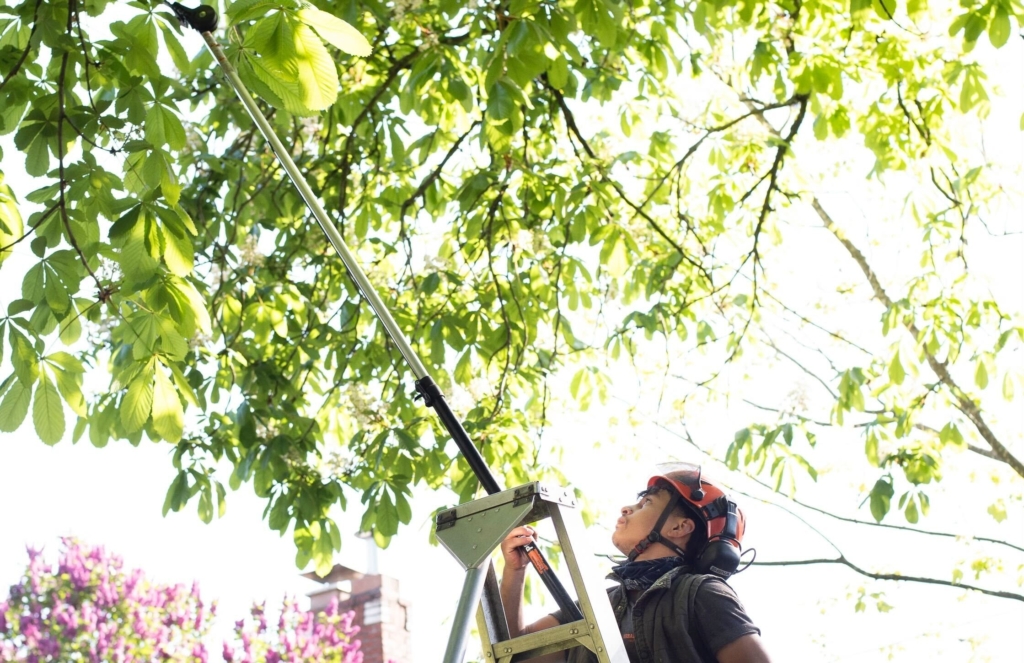
Dead branches can remain within a tree’s canopy or fall to the ground. Removing appropriate deadwood can reduce unnecessary fuel while also helping maintain the tree. Professional tree trimming should be performed with the tree’s health and structure in mind. Removing too much healthy growth can create its own problems.
3. Dense Brush Beneath Trees
Look underneath trees for thick brush, vines, young trees, or other vegetation that connects the ground with lower branches. Reducing these ladder fuels can help create greater separation between ground vegetation and tree canopies. Portland’s wildfire guidance specifically recommends removing ladder fuels such as ivy, brush, blackberries, clematis, saplings, and low-hanging branches.
4. Branches Growing Toward Your Home
Trees with branches touching or overhanging roofs, decks, garages, and other structures deserve attention. Portland Fire & Rescue recommends trimming trees back from rooflines, attached garages, and decks in the immediate zone around structures. A professional tree service can determine how much pruning is appropriate without unnecessarily compromising the tree.
5. Accumulated Leaves and Downed Limbs
Fallen leaves, needles, branches, and other dead plant material can add to the fuel around a property. Portland recommends removing dead plant material and downed limbs as part of defensible-space maintenance. Keeping the ground around trees and structures maintained also makes it easier to notice new problems before they become more difficult to manage.
When Tree Trimming Can Help
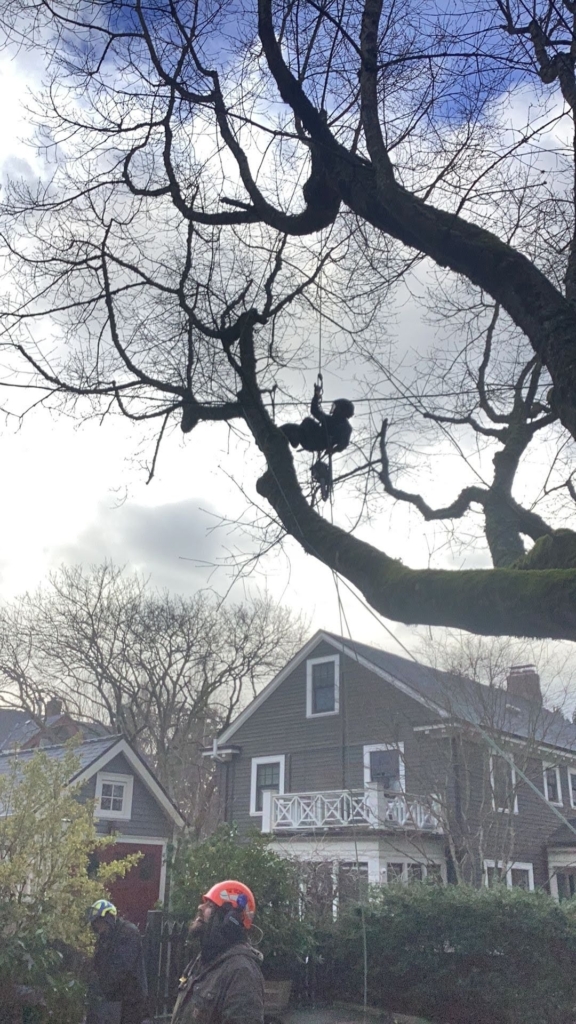
Proper tree trimming can address several conditions that contribute to wildfire fuel. Pruning may be appropriate for removing dead branches, improving clearance from structures, raising lower limbs, or reducing vegetation that creates a connection between the ground and the tree canopy.
However, wildfire preparation does not mean removing large portions of a tree simply to make it look less dense. Pruning decisions should consider the species, structure, health, location, and surrounding landscape.
Portland’s wildfire recommendations include creating clearance between the ground and lower tree limbs and trimming trees away from structures in areas where wildfire hazards are present.
When Tree Removal May Be the Better Option
Some trees cannot be safely maintained through pruning alone. Tree removal may be appropriate when a tree is dead, severely declining, structurally compromised, or presents a significant hazard that cannot reasonably be addressed through other measures.
Base the decision on the condition and location of the individual tree, not simply its age. If you are unsure what a tree needs, a professional tree assessment can help identify defects, potential hazards, structural concerns, and appropriate care options. For homeowners who need an arborist’s evaluation, a tree assessment can be an important first step before deciding whether pruning, removal, or continued monitoring is appropriate.
Don’t Overlook the Area Around the Tree
Wildfire preparation involves more than the tree canopy.
Walk around the property and look for:
Dead leaves and needles
Fallen branches
Dense brush
Climbing vines
Dead shrubs
Young trees growing beneath larger trees
Low-hanging branches
Accumulated woody debris
Vegetation growing against fences or structures
Portland’s wildfire guidance recommends reducing dead and dying vegetation, managing ladder fuels, and creating separation between vegetation groups. In some cases, clearing vegetation can also reveal other tree-care concerns that were previously hidden by dense growth.
What Happens After a Tree Is Removed?
When a hazardous or dead tree requires removal, homeowners should also consider what remains afterward. A remaining stump can interfere with landscaping and make it more difficult to maintain the surrounding area. Stump grinding can remove most of the visible stump and make the space easier to maintain or replant.
The surrounding area should also be inspected for additional dead branches, brush, or woody debris that could contribute to wildfire fuel.
Regular Tree Care Can Help Reduce Risk
Wildfire preparation works best as an ongoing part of property maintenance rather than a one-time project. Trees grow, branches die, vegetation spreads, and landscape conditions change. A property that was well maintained a year ago may have new concerns today.
Consider checking your property regularly for:
Dead or declining trees
Dead branches
Branches growing toward structures
Dense vegetation beneath trees
Ladder fuels
Fallen branches and woody debris
Overgrown brush
Accumulated leaves and other plant material
If you are unsure where to start, an arborist can help you understand which conditions require immediate attention and which trees can continue to be maintained.
Protect Your Property While Preserving Healthy Trees
Wildfire risk reduction does not mean removing every tree from your property. Healthy trees are an important part of Portland’s urban canopy, and responsible tree care should balance safety with long-term tree health. In some situations, selective pruning may be enough. In others, removing dead vegetation or a hazardous tree may be the better choice. The right approach depends on the individual property, the condition of the trees, and the surrounding vegetation.
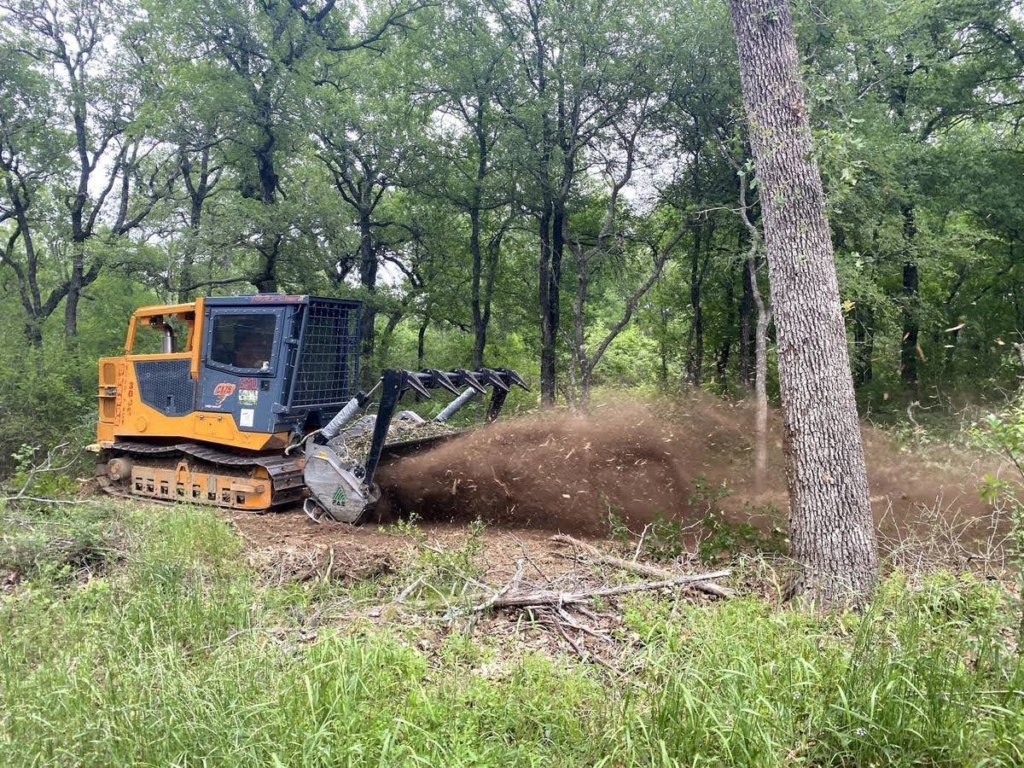
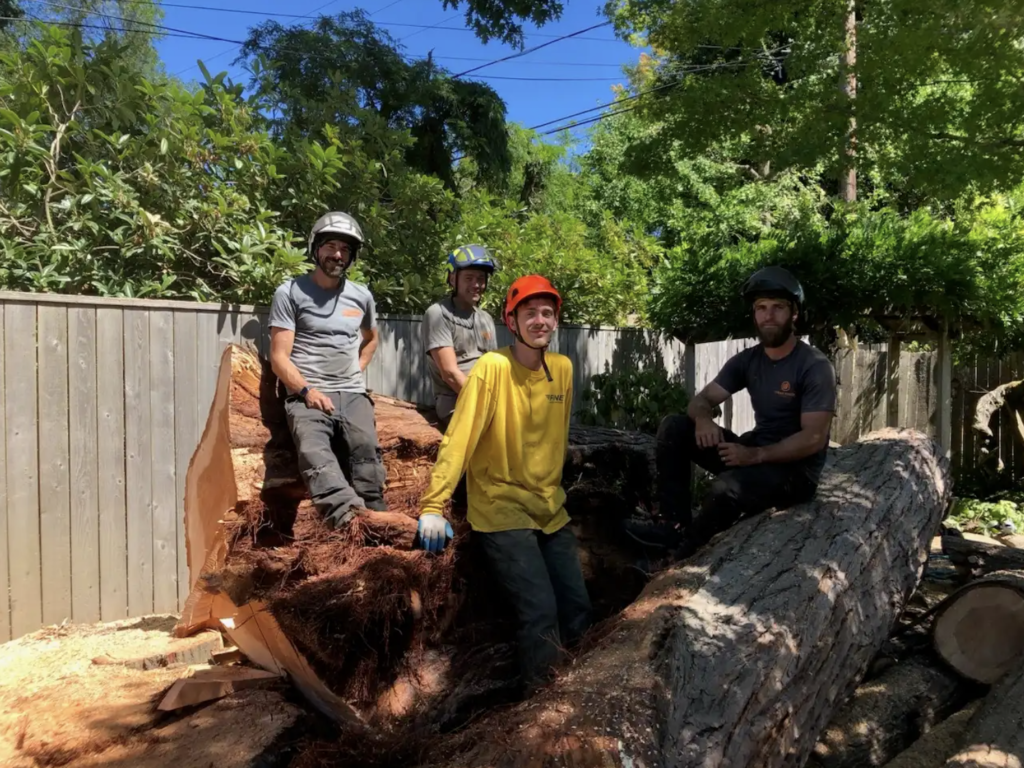
Urban Timber Tree Service is a family-owned tree service serving the Portland area since 2014. Founded by certified arborist Jeremy Wagener, the company focuses on responsible tree care, safety, tree health, and quality workmanship. Its services include tree trimming, tree removal, stump grinding, tree assessment, and fuel reduction.
If you’re concerned about dead trees, overgrown brush, or potential wildfire hazards around your property, connect with Urban Timber Tree Service in Portland to discuss your tree care needs. Taking care of dead vegetation and potential ladder fuels before wildfire conditions develop can help you maintain a healthier, better-managed landscape and prepare your property for greater wildfire resilience. Related Articles → What Makes A Plant Safer During Wildfire Season
With over 2 decades of experience in the tree care industry, Jeremy Wagener is the founder and heart behind Urban Timber Tree Service, a family-owned company dedicated to preserving and enhancing Portland’s urban canopy. As a certified arborist and passionate environmentalist, Jeremy started Urban Timber Tree Service in 2014 to provide expert tree care solutions that promote the health, beauty, and sustainability of Portland’s natural landscape.