Why Cabling And Bracing Can Save A Mature Shade Tree
What happens when the biggest tree in your yard starts showing stress, but you are not ready to lose the shade, structure, and history it brings with it?
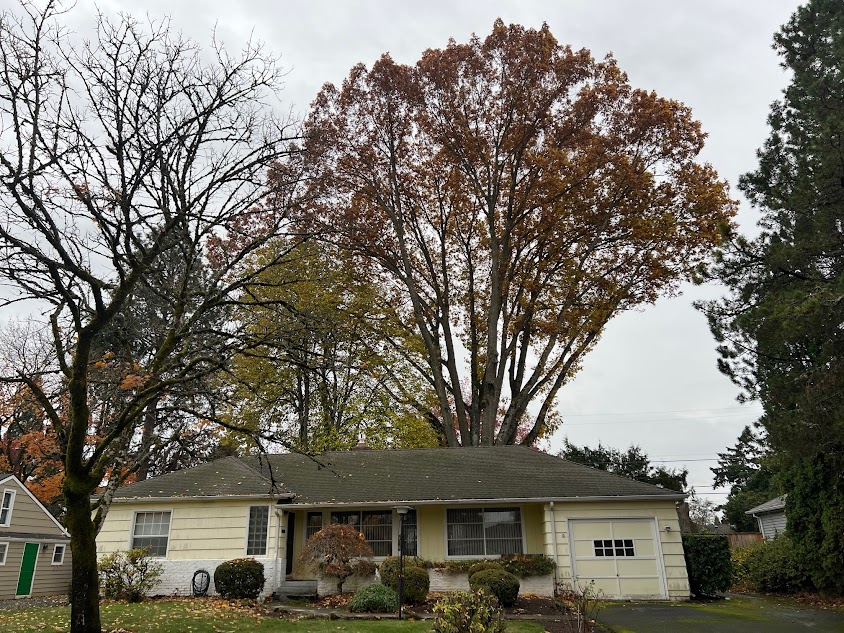
That is where this conversation usually begins. A mature shade tree can be one of the most valuable parts of a property. It cools the yard, shapes the landscape, and often anchors the whole feel of an outdoor space. But age, storm exposure, heavy limbs, and structural weakness can all put that tree at risk over time. When that happens, removal is not always the only answer.
Table Of Contents
Why Mature Shade Trees Become Vulnerable Over Time
What Cabling And Bracing Actually Do
When A Mature Shade Tree Is A Good Candidate For Support
Why Support Can Be Better Than Removal In The Right Situation
What A Proper Installation Should Include
What You Should Do If You Are Worried About A Mature Shade Tree
Conclusion
FAQs
In many cases, support systems can help reduce the chance of failure and give a mature tree a better path forward. ANSI A300 Part 3 specifically covers the installation and maintenance of supplemental support systems for trees, including cabling and bracing, which tells you right away this is a recognized part of professional tree care rather than a shortcut or improvised fix.
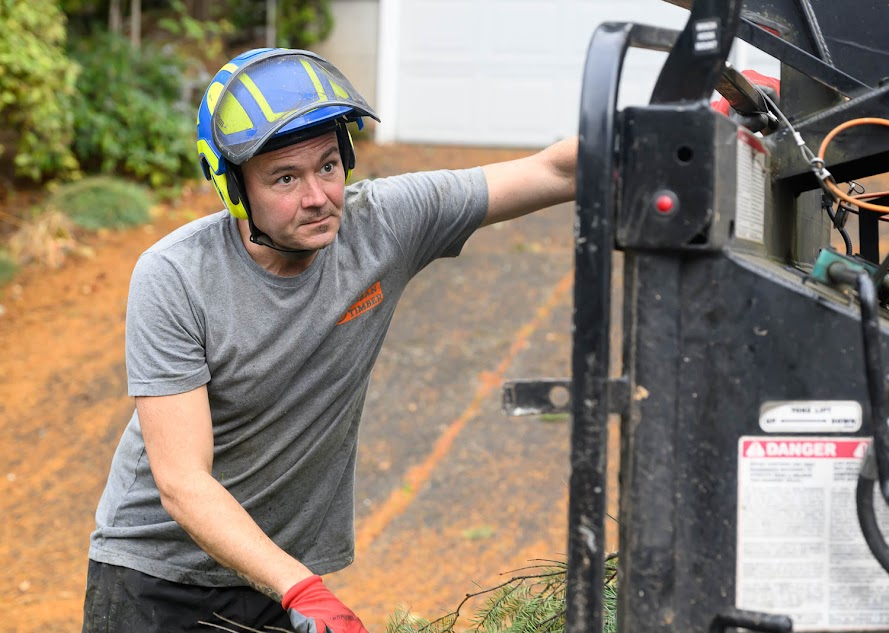
Through Urban Timber Tree, we often see homeowners assume a stressed tree is already on its way out. Sometimes that is true. Sometimes it is not. The better question is whether the tree still has enough strength, health, and value to justify support. If the answer is yes, the right system can help preserve a tree that still has years of life left in it.
Why Mature Shade Trees Become Vulnerable Over Time
Older trees do not usually fail without warning. More often, they develop structural weaknesses gradually. The trouble is that many of those changes are easy to miss until a storm, snow load, or heavy limb movement exposes the problem.
Age And Size Can Turn Small Defects Into Big Risks
A young tree with a structural flaw may not show obvious trouble right away. A mature tree is different. Once the canopy is broad and the limbs are heavy, even a modest weakness can become a major stress point. UF IFAS notes that trees with bark inclusions and other defects may need support because those weak unions are more likely to separate under load.
That matters especially with shade trees, because they tend to grow large crowns that catch wind and hold weight. The bigger the limb, the more force moves through the attachment point.
Co Dominant Stems And Weak Unions Are Common Trouble Spots
Would you know if your tree has a weak attachment point before it splits?
Many homeowners would not, and that is understandable. Trees with multiple trunks or co-dominant stems often look impressive, but they can also be structurally vulnerable. Support systems are commonly used where branches or leaders move too far in relation to the rest of the tree, or where a weak crotch or union is already showing signs of strain.
What Cabling And Bracing Actually Do
Cabling and bracingdoesn’t just describe one fix, but is really a category of support tools used for different structural problems.
Cabling Helps Limit Excessive Limb Movement
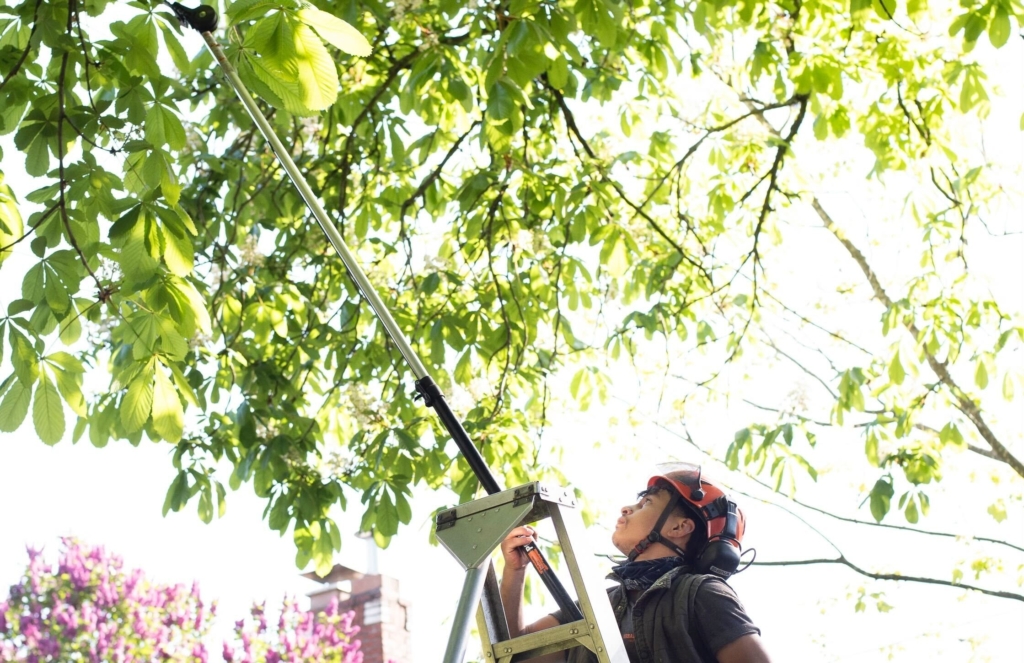
Cabling is usually installed higher in the tree to help limit how far branches or co-dominant leaders can move. SavATree explains that cabling is typically placed in the upper crown or across a weak crotch to reduce the risk of breaking or splitting. UF IFAS adds that cables are often placed about two-thirds of the way up from a weak union.
The goal is not to freeze the tree in place. Trees still need some natural movement. The goal is to reduce the kind of extreme motion that can turn a weak point into a failure point.
Bracing Adds More Rigid Support Near The Weak Point
Bracing usually means rods installed through a weak union or trunk area to reinforce a split or help prevent one. UF IFAS notes that bracing is installed close to or in the union, while SavATree explains that rods are used to reduce the risk of leaders splitting or to help repair splits that have already occurred.
In some cases, cabling and bracing are used together because movement higher in the canopy and weakness lower in the union need to be addressed as part of the same structural issue.
When A Mature Shade Tree Is A Good Candidate For Support
Not every tree should be cabled or braced. Some are too compromised. Others do not actually need it. This is why assessment matters so much.
Support Makes Sense When The Tree Still Has Long Term Value
A support system is most useful when the tree is worth preserving and still has enough health and structure to justify that investment. Urban Timber’s assessment process starts by evaluating whether a tree is at risk of structural failure because of heavy limbs, weak branches, or storm damage, then building a customized plan if support is appropriate.
That means you should think beyond the weak limb itself. Ask whether the tree is otherwise healthy, whether it provides major shade or landscape value, and whether preserving it makes sense for the property overall.
A Few Signs You Should Not Ignore
If you are unsure whether your tree needs a closer look, these are some practical signs to pay attention to
Cracks or splits near a trunk union
Large limbs extending far beyond the rest of the canopy
A lopsided crown or obvious uneven growth
Past storm damage that changed the tree’s structure
Multiple leaders pressing against each other or separating slightly
These are not automatic proof that a support system is the answer, but they are good reasons to have the tree assessed. Urban Timber’s tree assessment guidance also flags cracks, splits, leaning, and uneven growth as issues that warrant professional attention.
Why Support Can Be Better Than Removal In The Right Situation
Why remove a mature shade tree if the real problem is a correctable structural weakness?
That is the question many homeowners eventually ask, and often they ask it later than they should. A well chosen support system can buy time, reduce risk, and preserve benefits that are hard to replace.
Mature Trees Bring Value That Takes Years To Rebuild
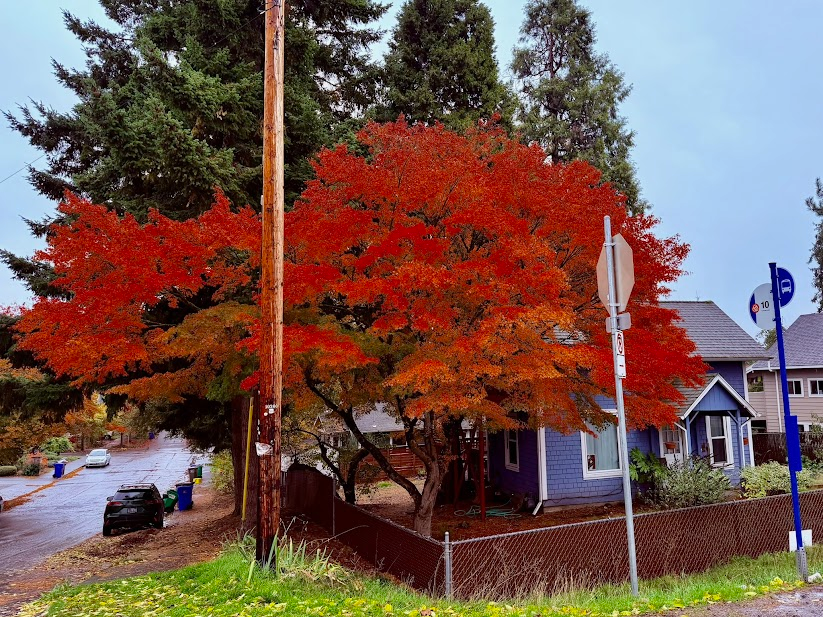
When a large shade tree comes down, the loss is immediate. The replacement value is not just about planting another tree. It is about losing years of canopy, cooling, privacy, and character. Urban Timber’s site repeatedly frames preservation as part of protecting Portland’s urban canopy, and its cabling page specifically notes that cabling limbs together can save trees from having to be removed.
That does not mean every tree should be saved. It does mean you should not assume removal is the smartest first move just because a large tree has a weakness.
Support Systems Work Best As Part Of A Bigger Care Plan
A cable or brace does not solve every issue by itself. UF IFAS recommends considering pruning at the time of installation, and where pruning is appropriate, doing it immediately before the support system goes in. SavATree makes a similar point by noting that early structural pruning can reduce the need for support systems later in a tree’s life.
That is why the best results usually come from looking at the whole tree, not just the defect. Weight reduction, canopy balance, and long term inspection all matter.
What A Proper Installation Should Include
This is not a weekend hardware project. A mature tree support system should be designed around the tree’s structure, species, condition, and movement.
The System Should Match The Tree, Not The Other Way Around
Urban Timber says its process begins with a detailed assessment and a customized bracing plan rather than a one-size-fits-all installation. On its cabling page, the company also explains that it uses a flexible Tree Guard system with expanding collars so the tree can move naturally and continue growing without girdling, plus an overload indicator that shows if the system has been pushed too hard.
That is a good reminder for homeowners. You should not think of support hardware as generic. The best setup depends on what part of the tree is weak and how the tree behaves under load.
Regular Follow Up Is Part Of The Job
A support system is not something you install once and forget. UF IFAS states that trees secured with cables, rods, and related systems should be inspected at regular intervals to check for needed adjustments. Davey says the same thing in simpler terms, noting that maintenance is minimal but periodic inspection by a professional arborist is still important.
This is one reason we tell clients to think in seasons and years, not in one appointment. The work is about reducing risk over time.
Experience Matters More Than Homeowners Often Realize
Because support systems deal with weak unions, load movement, and long term structural behavior, they should be handled by skilled arborists who know how to evaluate the whole tree instead of just attaching hardware to the most obvious limb. ANSI A300 guidance, regular follow-up, and defect-specific placement all point to the same idea. Good support work depends on good judgment.
What You Should Do If You Are Worried About A Mature Shade Tree
If you have a large shade tree that seems stressed, do not wait for a storm to tell you whether it is stable.
Start With Assessment, Not Assumption
A tree may look dramatic and still be salvageable. Another may look mostly fine and still have a serious hidden defect. That is why the first step should be a proper assessment. Urban Timber’s tree assessment page explains that an arborist can identify hazards, evaluate structure and stability, and recommend pruning, support, or removal based on what the tree actually needs.
Do Not Treat Support As A Guaranteed Save
Support systems reduce risk. They do not make a defective tree perfect. If the trunk is extensively decayed, the root system is failing, or the canopy is declining beyond recovery, preservation may no longer be the responsible choice. What matters is making that decision from evidence rather than panic.
Conclusion
Can a mature shade tree be saved without pretending it has no structural problems?
In many cases, yes. That is exactly why supplemental support systems exist. When a tree has a weak union, a heavy limb, or co dominant stems that are under stress, cabling and bracing can help reduce the chance of failure and give the tree a better future. The key is using support for the right reason, on the right tree, with the right follow-up.
For homeowners, the takeaway is simple. You should not ignore cracks, odd movement, lopsided growth, or storm-related weakness in a mature shade tree. You should also not assume removal is the only responsible answer. A good assessment can tell you whether support, pruning, ongoing monitoring, or removal is the better path. When a tree still has real health and value, preserving it can be the smartest decision you make for your property and your landscape.
FAQs
What is the difference between tree cabling and bracing?
Cabling is used to limit excessive movement in branches or leaders, usually higher in the canopy. Bracing uses rods near a weak union or split to provide more rigid structural support.
Can cabling save any mature tree?
No. Some trees are too compromised by decay, root failure, or severe structural damage to benefit from support. A tree assessment is the best way to determine whether preservation still makes sense.
How often should a cabled or braced tree be inspected?
It should be inspected regularly after installation. The exact schedule depends on the tree, the system, and site conditions, but follow-up is an important part of responsible support work.
Does a support system replace pruning?
No. Support systems often work best when paired with proper pruning to reduce weight and improve balance in the canopy.
Is cabling and bracing a permanent fix?
It is better to think of it as long-term risk reduction rather than a permanent cure. The system helps support a weak structure, but the tree still needs monitoring and professional care over time.
Help Protect Your Mature Shade Tree With The Right Structural Support
→ Get a professional assessment for weak limbs and split-prone unions → Support valuable trees with cabling and bracing designed for stability → Reduce risk while helping preserve the shade and structure you want to keep
With over 2 decades of experience in the tree care industry, Jeremy Wagener is the founder and heart behind Urban Timber Tree Service, a family-owned company dedicated to preserving and enhancing Portland’s urban canopy. As a certified arborist and passionate environmentalist, Jeremy started Urban Timber Tree Service in 2014 to provide expert tree care solutions that promote the health, beauty, and sustainability of Portland’s natural landscape.