How Urban Timber Tree Builds Defensible Space Across Oregon
If an ember fell in your yard in the heat of the summer, would it fizzle out on clean ground, or would it find a trail of dry fuel leading straight to your home?
That is the practical idea behind defensible space. It is not about stripping your property bare or turning your landscape into gravel. It is about creating distance and breaks in vegetation so a fire has fewer ways to build heat, climb, and spread. We build defensible space by looking at how fire actually moves through a property, then making targeted changes that reduce risk while keeping trees healthy and the space usable.
Table Of Contents
- Defensible Space In Oregon Starts With A Simple Map
- How We Build Defensible Space With Trees In Mind
- A Planning Checklist That Does Not Feel Like Homework
- Conclusion
- FAQs
In Oregon, where our summers can turn quickly and fuels can build fast after wet seasons, the difference between “pretty yard” and “fire-ready yard” is usually a handful of decisions made consistently. The good news is you can plan those decisions without getting overwhelmed. We will show you how, using the same logic we apply on real properties every week.
And yes, we are going to keep this human. Another question to keep in mind as you read is this one. Are you trying to pass a wildfire inspection, or are you trying to make it easier for firefighters to defend your place if it ever comes to that? The answer changes how you prioritize the work.
Defensible Space In Oregon Starts With A Simple Map
Defensible space is easiest to understand when you stop thinking in generalities and start thinking in zones. Your home, deck, and other structures are the center point. Everything else is a series of rings around that center, and each ring has a purpose.
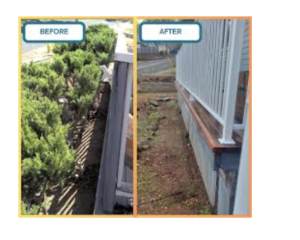
We often see people focus on the back of the lot because it feels like “the woods.” Then they leave the most important area untouched, which is the first few feet around the house. That is where embers land, where mulch smolders, where leaf litter collects, and where fire can find an easy start. If you do nothing else this season, clean up the immediate zone around your structure and keep it maintained.
A second Oregon-specific reality is that the problem is not always big trees. It is often what grows underneath and between them. Shrubs tucked under canopies, ivy climbing trunks, stacked firewood near a wall, or a strip of tall grass along a fence line can connect the dots for fire. When we walk on a property, we are looking for those connections first.
This is also where the right guidance matters. We bring certified arborists into the conversation when pruning, spacing, or tree health is part of the plan, because defensible space should not create new hazards like weak structure, sunscald, or stressed trees.
The Three Zones That Work Together
Think of defensible space as three zones that each do a different job.
Zone one is the area closest to the home and any attached structures. The focus here is on removing easy ignition sources and keeping the area lean, clean, and noncombustible where possible. Clear out dry leaves, pine needles, mulch buildup, dead plants, and other light fuels that can catch embers. Keep this zone well maintained so embers land on low-risk surfaces instead of dry vegetation or accumulated debris.
Zone two is the transition area where vegetation should be managed to slow fire spread and reduce intensity. Space trees and shrubs so fire cannot move easily between them, remove dead brush and dense growth, and reduce fuels beneath trees and larger shrubs. Trim or thin vegetation as needed to help keep a surface fire from reaching taller plants or tree canopies.
Zone three is the extended zone farther out. This is where strategic thinning and maintenance matter. We are not clear-cutting. We are breaking up continuity, removing dead material, and keeping fuels from building into a wall of vegetation. This zone buys time and reduces intensity, which is exactly what helps a fire stay on the ground instead of exploding upward.
A quick question to ask yourself while you picture your own property is this. If you stood at your front door and looked outward, could a fire move smoothly from one plant to the next, or would it hit gaps that slow it down?
How We Build Defensible Space With Trees In Mind
When we say we build defensible space, we mean we start with a fire behavior lens and then apply tree and vegetation work that supports that goal. That includes pruning, thinning, removing dead fuels, managing brush, and making sure tree spacing and canopy structure do not encourage fire to climb and run.
Our approach is grounded in the idea that trees can absolutely remain part of a fire-ready property. The aim is not “no trees.” The aim is “healthy trees with safer spacing, fewer ladder fuels, and less dead material.”
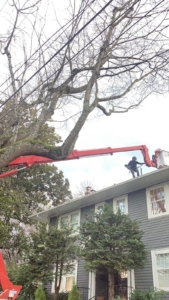
This is the point where we want to be very clear about what you should and should not do.
You should not top trees to reduce wildfire risk. Topping can create weak growth, stress the tree, and lead to more dead material later. You also should not indiscriminately limb everything up without considering the tree’s health and structure. Removing too much live crown too fast can stress a tree and increase susceptibility to pests and drought. The work should be intentional and staged when needed.
You should focus on removing dead branches, cleaning up the ground layer, reducing brush density, and separating fuel layers. If a shrub sits directly under a tree canopy, that is a classic ladder fuel setup. If ivy climbs a trunk, it can hold dead material and create a vertical path. If multiple shrubs touch each other and touch low branches, you have a continuous fuse.
This is where Urban Timber Tree earns trust with clients who want a plan, not a guess. We are not trying to make your landscape look like a different property. We are trying to make your property function better under wildfire conditions while staying livable.
You will also hear a lot of general advice online from other contractors and forestry groups across Oregon. The best competitors tend to emphasize the same core principles we do, reduce ladder fuels, create spacing, remove dead material, and maintain it season after season. You may see similar “zone-based” planning from regional fuels reduction providers like Mt Hood Tree Services and Urban Forest Professionals, even if their service areas and methods differ.
Ladder Fuels And Crown Spacing
If we had to name one concept that changes outcomes, it is ladder fuels. Ladder fuels are the vegetation layers that allow fire to climb from the ground into the canopy. That includes low branches, shrubs under trees, and dense young growth that creates a continuous vertical path.
When ladder fuels are reduced, fire is more likely to stay on the ground. Ground fire is still dangerous, but it is generally easier to defend against than crown fire. The goal is to prevent that “ladder effect,” where flames climb and then spread rapidly through tree crowns.
Crown spacing matters too. Trees that are tightly packed can allow fire to move from crown to crown. Spacing helps break that path. We look at how trees are grouped, where branches overlap, and where canopy continuity is strongest. Then we decide what to thin, what to prune, and what to keep.
If you are in a more urban neighborhood, the challenges can be different. You might have ornamental trees near structures, hedges along fences, or small lots where everything is close. In rural or edge-of-forest areas, you may have larger fuel loads and heavier brush. Either way, the core idea is the same. Break up fuel continuity and keep the most important zones clean.
And since a lot of defensible space work overlaps with general care, it is worth naming what this is and what it is not. Defensible space is not just “yard cleanup.” It is a risk-reduction plan that often uses the same tools and skills as tree services, but with wildfire behavior as the guiding framework.
If you want to see how we describe this work in plain language, including what gets thinned, what gets pruned, and how zones are handled, our fuel reduction and defensible space page lays out the service clearly.
A Planning Checklist That Does Not Feel Like Homework
Planning defensible space gets easier when you stop trying to fix everything at once and instead commit to a simple sequence. Here is a light checklist we use to keep the work organized, and this is the only section with bullets so it stays readable.
- Start at the house and work outward, not the other way around
- Remove dead vegetation and leaf litter first, because it is the easiest win
- Identify ladder fuels under tree canopies and remove or reduce them
- Create separation between shrubs and keep shrubs from touching branches
- Thin dense patches so vegetation is not one continuous wall
- Choose a disposal plan for debris, chipping, hauling, or approved piles
- Put maintenance dates on your calendar so fuels do not rebuild quietly
If you do those seven things, you have a defensible space plan that functions. After that, you can refine it based on your property’s layout and your comfort level with how “open” it feels.
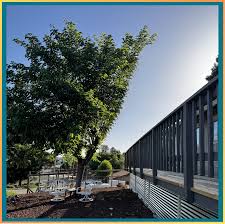
One more question we like to ask clients when they are debating how aggressive to be is this. Do you want your landscape to look the same year round, or do you want it to change seasonally in exchange for lower fire risk? Some people prefer a more manicured, maintained look. Others prefer a natural look with strategic gaps. Both can work when the zones are respected.
Also, be realistic about your own capacity. If you know you will not keep up with maintenance, choose a plan that is easier to maintain. Fewer dense shrubs, clearer ground surfaces, and a predictable pruning schedule often beats an ambitious plan that gets abandoned.
If you are dealing with hazard trees, heavy leaners, or tight proximity to structures, that is a different category of decision. Those situations call for professional assessment and controlled removal. We keep our tree removal service information separate because it involves safety planning, access constraints, and risk management that goes beyond simple pruning.
Conclusion
Defensible space across Oregon is built with small, repeatable decisions that reduce fuel continuity and keep the areas closest to your home clean. The most effective plans use zones, focus on ladder fuels, manage spacing, and commit to maintenance so fuels do not quietly rebuild. You do not have to turn your property into bare dirt to be safer. You do need to break up the pathways fire uses to climb and spread.
FAQs
How far around my house should defensible space go in oregon?
Most properties are planned in zones that start right next to the structure and extend outward. Your best next step is to map your immediate area first and then expand the plan based on your lot size, slope, and vegetation density.
Should I remove all the trees near my home?
Not necessarily. Many homes can keep trees when ladder fuels are reduced, dead material is removed, and spacing is improved. The goal is not zero trees, it is fewer pathways for fire to climb into the canopy and spread.
What are the most common ladder fuels on residential properties?
Shrubs directly under tree canopies, low branches, ivy on trunks, dense young growth, and piles of dry debris are common culprits. Reducing these often produces the biggest improvement in risk reduction.
When is tree removal part of defensible space work?
Removal is usually considered when a tree is dead, structurally compromised, leaning toward a structure, or creating a high-risk fuel arrangement that cannot be addressed with pruning and spacing alone. Safety and access should be evaluated before deciding.
How often do I need to maintain defensible space once it is done?
Maintenance is ongoing. Some tasks are seasonal, like clearing leaf litter and managing grasses, while pruning and thinning may be periodic. The right schedule depends on how fast vegetation regrows on your property and how you want the landscape to look.
Defensible Space Built For Your Property And Oregon Fire Seasons
→ Get a zone-based plan that reduces ladder fuels and ember risk
→ Clear brush and dead material while protecting healthy trees
→ Schedule fuel reduction work that stays maintainable year to year
Take the first step toward a safer, more defensible property today →
★★★★★ Rated 4.9/5 by 137+ Satisfied Clients

About Jeremy
With over 2 decades of experience in the tree care industry, Jeremy Wagener is the founder and heart behind Urban Timber Tree Service, a family-owned company dedicated to preserving and enhancing Portland’s urban canopy. As a certified arborist and passionate environmentalist, Jeremy started Urban Timber Tree Service in 2014 to provide expert tree care solutions that promote the health, beauty, and sustainability of Portland’s natural landscape.
Related Articles:
How Portland’s Rainy Weather Affects Tree Health (and What You Can Do)
How Proper Pruning Keeps Your Trees Healthy and Strong