How To Spot Dangerous Trees On Your Portland Property
When you walk under the trees in your yard, are you completely confident that every branch above you is safe?
In Portland, our trees live through months of rain, clay-heavy soils and surprise wind or ice events. That mix creates beautiful shade and privacy, but it also adds stress that can quietly turn a solid tree into a serious hazard near your home, car or play area. Local arborists regularly see the same patterns of decay, storm damage and root problems showing up across the city.
Table Of Contents
Why Portland Trees Become Dangerous So Easily
Visual Warning Signs You Can Spot Right Away
Hidden Root And Soil Issues That Signal Risk
What We Recommend When A Tree Looks Unsafe
Conclusion
FAQs
In this guide, we will share how we look at trees every day as local professionals withUrban Timber Tree Service so you can spot warning signs early and make informed decisions for your Portland property.
Why Portland Trees Become Dangerous So Easily
Have you noticed how often your yard stays soggy during the wet season, especially around big firs or maples? That moisture is a big part of the story.
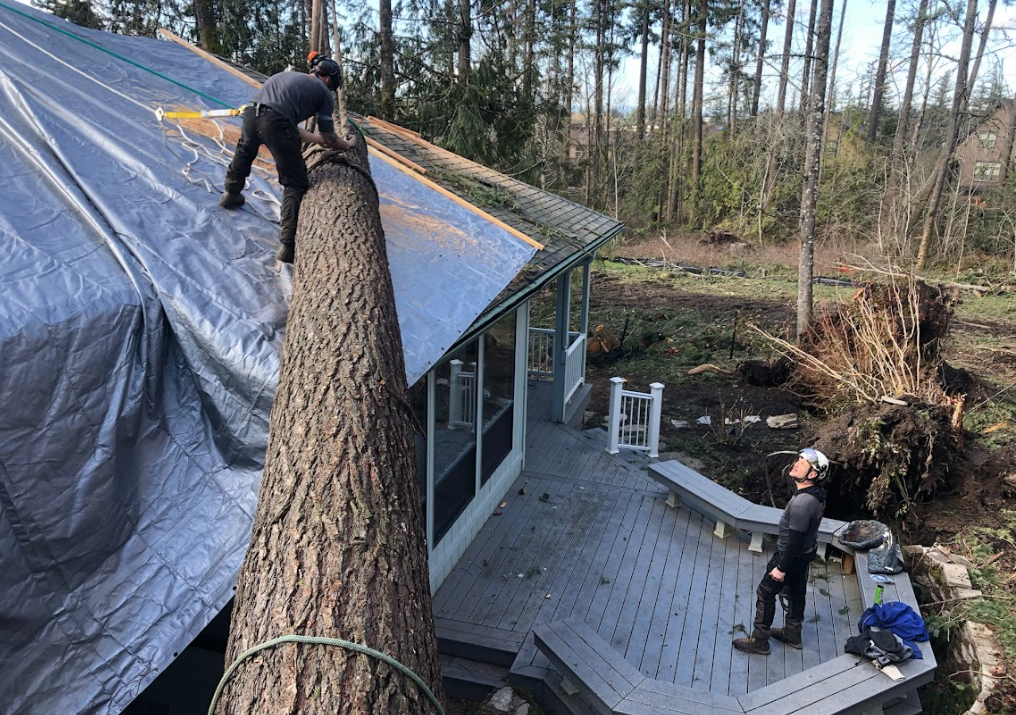
Portland’s climate brings long periods of rain, occasional heavy snow or ice and seasonal windstorms. Those conditions can weaken root systems, saturate soil and make tall trees more likely to lean or uproot when a storm hits. Soil heaving, cracks in the ground near the trunk and lifting roots are all known indicators that a tree might be at risk of failure in these conditions.
Our urban forest also faces disease pressure that thrives in damp environments. Common local issues such as Dutch elm disease, anthracnose and armillaria root rot slowly compromise the internal structure of trees. In many yards we see mushrooms or fungal conks on trunks or at the base that point to advanced decay, even when the canopy still has leaves.
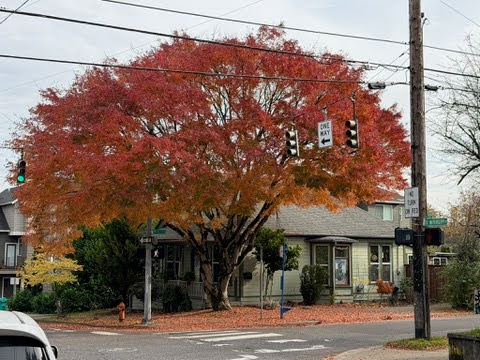
Large Douglas firs, bigleaf maples and older ornamentals give neighborhoods their character, but as they age their branch unions, trunks and root systems naturally become more vulnerable. All of that means a tree that looked fine a decade ago can quietly shift into the dangerous category without obvious changes until a storm exposes the problem.
So the real question becomes this, “How do you tell the difference between normal aging and a tree that is ready to fall?”
Visual Warning Signs You Can Spot Right Away
We never expect homeowners to climb or drill into trees. Many of the most serious red flags show up in places you can see from the ground if you know where to look.
Problems You See In The Canopy
Look up and scan the outer edges of the crown, not just the trunk. We pay special attention to
Large dead or bare branches in the upper canopy that do not leaf out in spring
Broken or hanging limbs that look snagged high in the tree
Sections of the crown where leaves are thinning, smaller than usual or discolored compared with the rest
Dead and hanging branches are a major concern because they can drop without warning even on calm days. Arborists often call those hidden broken limbs widowmakers because they are so unpredictable.
Patchy foliage or a thin top can indicate root problems or internal decay. While that does not always mean the tree must come down, it tells us the tree deserves a closer look.
If you notice new leaning in the crown, especially right after heavy rain or wind, that is another sign that the root system might be losing its grip in Portland’s saturated soils.
Trouble Around The Trunk And Base
Next, we step closer and read the trunk like a story of everything the tree has been through. Cracks, cavities and fungi are three details that matter most.
Deep vertical cracks or splits in the trunk can show that the wood fibers are under serious stress. Larger openings that extend into the heart of the tree make failure more likely, especially in storms.
Cavities and hollows may look harmless or even charming, but they often form where decay has eaten away structural wood. Some holes are not an immediate threat, but when a large portion of the trunk circumference is missing, the tree can lose enough strength that a break becomes much more likely.
We also watch carefully for
Mushrooms or conks growing on the trunk or roots
Bark that peels away easily or reveals soft, crumbly wood beneath
Sawdust piles or tiny round exit holes that may signal boring insects
These details are the small clues that often reveal a much bigger internal problem.
At the base of the tree, soil that is lifting, cracking or mounding on one side often means the entire root plate has shifted. In Portland yards with clay soils, that movement can happen surprisingly fast after one severe storm and it usually calls for a professional assessment right away.
Hidden Root And Soil Issues That Signal Risk
Some of the most serious dangers start underground. We cannot see every root, but the ground often tells the truth.
Construction, trenching for utilities, new driveways or even aggressive root cutting along fences can sever structural roots. The tree may stay green for a while, but with less support it becomes more likely to fail at the base. If you know a tree’s roots were cut within the last few years and you now notice leaning or canopy dieback, that combination raises the risk level.
Persistent standing water around the root zone is another concern. Many Portland properties have low spots where water collects during the wet season. When roots sit in saturated soil, they may begin to rot, and fungi take advantage of the weakened tissue. Armillaria and other root rots are well documented in our region and can lead to sudden failure once enough roots are compromised.
Pay attention to
Sudden or increasing leans after storms
Soft, spongy soil near the trunk
Exposed roots that look cracked, damaged or decayed
If any of these signs appear next to driveways, play structures, neighboring homes or public sidewalks, the tree is no longer just a plant problem. It becomes a safety and liability issue.
For street trees or those growing in the public right of way, Portland has specific rules for pruning and removal, and the city provides channels for reporting dead or hazardous trees.When we evaluate a risky tree that might involve city property, we factor those requirements into our recommendations so you stay compliant while keeping people safe.
What We Recommend When A Tree Looks Unsafe
Once you notice a few of these warning signs, it can feel overwhelming. Here is how we guide clients through that decision in a practical way.
First, we separate urgent dangers from long term concerns. A tree that is leaning more after a recent storm, has fresh soil heaving at the base or holds large broken limbs over living spaces, usually falls into the urgent category. We tell people to keep family members and pets away from that area and avoid parking vehicles under it until a qualified arborist can inspect it.
Other issues such as minor bark loss, small cavities or localized fungus may be less immediate. In those cases, we often suggest monitoring through the seasons while improving overall tree health with thoughtful pruning and plant health care. Our team runs a focused plant health care program for Portland trees that targets disease, soil health and long-term resilience, which can sometimes reduce risk without removing a valued tree.
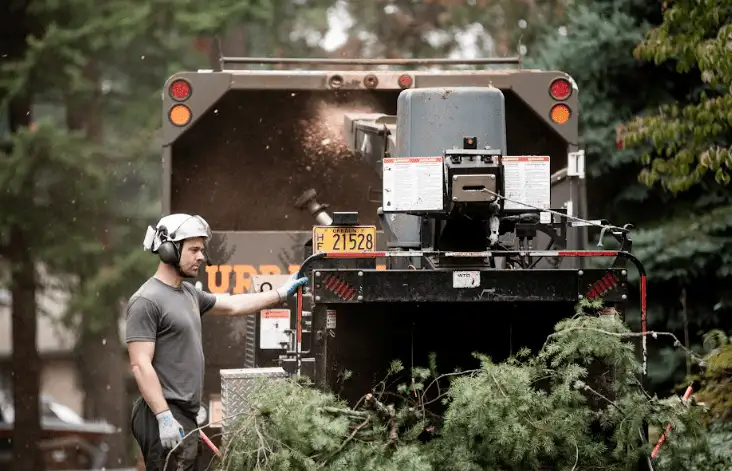
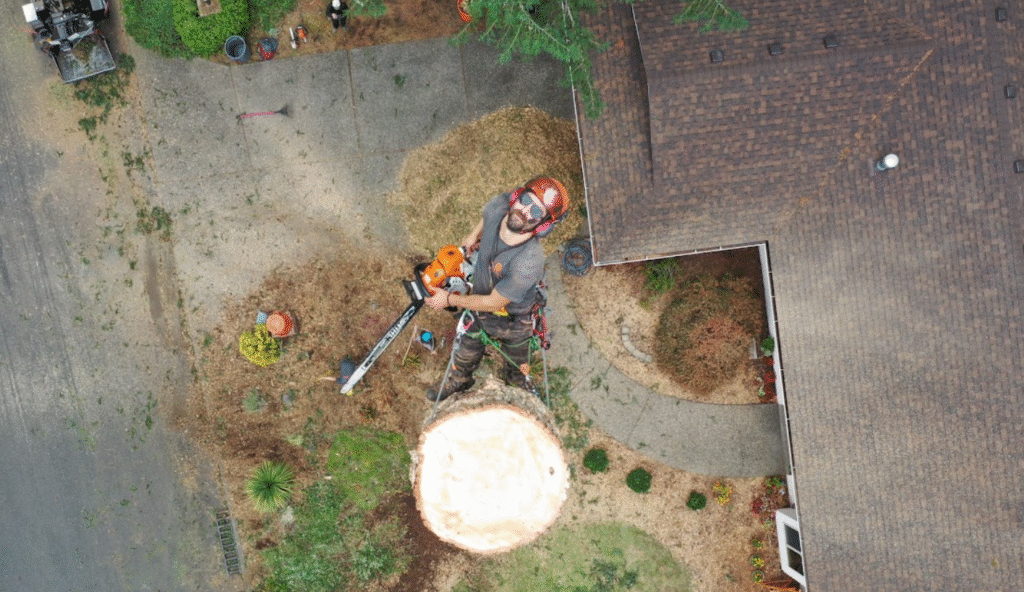
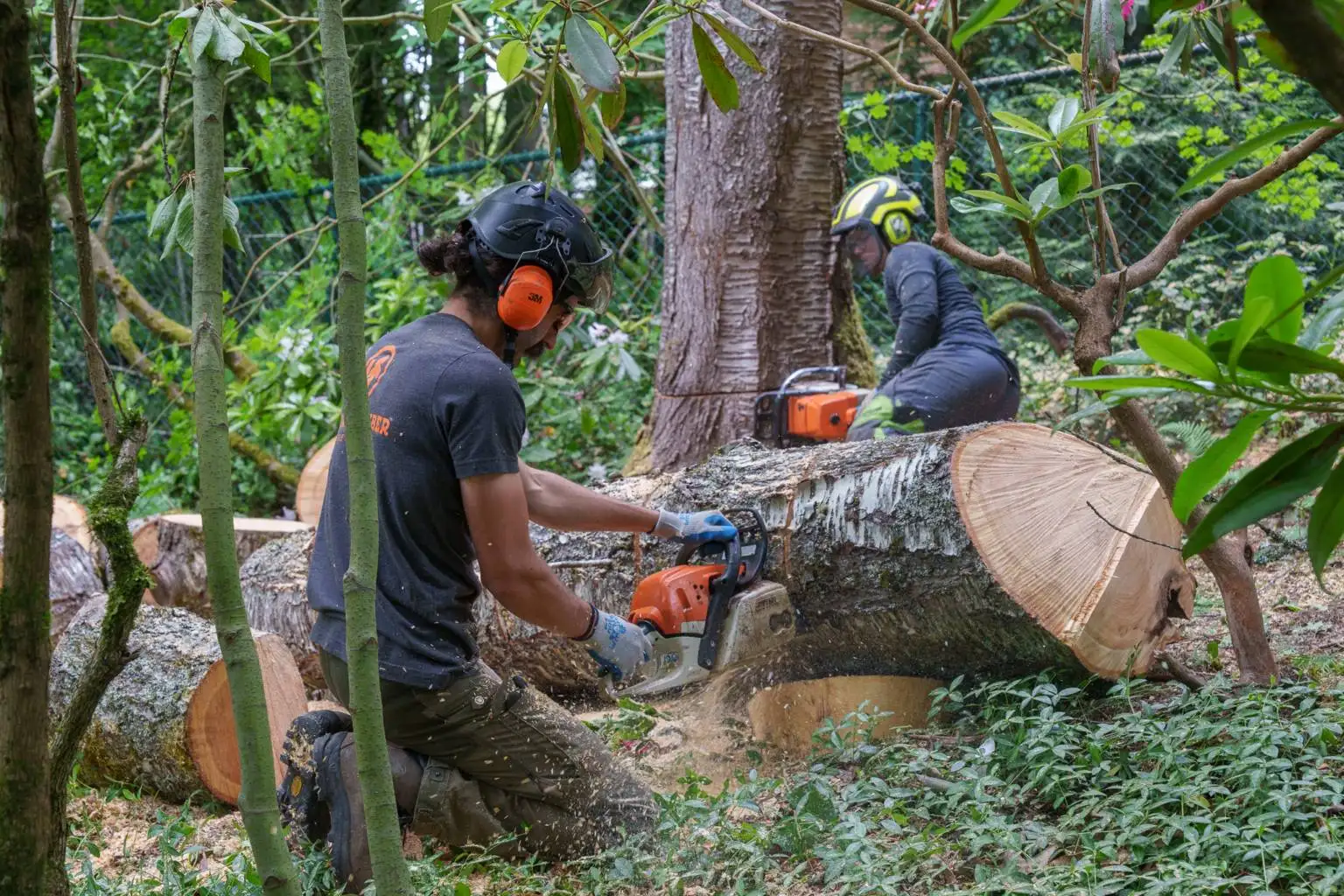
Sometimes though, removal really is the safest path. When a tree is severely decayed, has major structural defects or threatens high value targets nearby, keeping it can be more risky than losing the shade. In those situations we provide carefultree removal in Portland with rigging, controlled lowering and thorough cleanup, so the process feels orderly rather than chaotic for the client.
We encourage every Portland property owner to do a simple tree check at least once or twice a year and after major weather events. Walk slowly, look up, look at the trunk, then look down at the soil.
If any of those answers worry you, that is the moment to involve a certified arborist, not the morning after a major failure. Our goal is to catch problems early enough that you still have options, whether that means selective pruning, cabling, plant health care or well planned removal.
We believe that when clients understand the signs of dangerous trees, they make better decisions for their homes, businesses and neighborhoods. With a little knowledge and regular attention, you can enjoy the shade and beauty of your Portland trees while keeping the people and structures beneath them safe.
FAQs
How can I tell if a leaning tree is about to fall?
A lean that has been stable for years is often less urgent than a new or rapidly worsening lean. If the soil around the base is cracking or lifting, or if you see exposed roots pulling out of the ground, the tree may be close to failure and needs prompt professional inspection.
Are mushrooms on my tree always a sign of danger?
Not every mushroom means a tree is about to fall, but fungal growth on the trunk or near the roots often signals internal decay or root rot. When we see conks or clusters attached directly to the wood, we treat that as a serious clue and usually recommend a full risk assessment.
What should I do first if a big branch cracks during a storm?
Keep people and pets away from the drop zone and avoid parking under the tree. Take photos from a safe distance so you can show the damage clearly, then contact a certified arborist to evaluate whether the remaining structure is stable or whether more aggressive pruning or removal is needed.
Who is responsible for a dangerous street tree in Portland?
In many Portland neighborhoods, adjacent property owners share responsibility for care of street trees, but the city regulates pruning and removal. If a street tree appears dead, severely decayed or poses a hazard, you should review city guidance and report concerns through Portland’s official channels so required permits and safety steps are followed.
Can a hazardous tree ever be saved instead of removed?
Sometimes yes. If structural issues are limited and the decay or damage has not compromised the majority of the trunk or roots, targeted pruning, cabling and plant health care can reduce risk while preserving the tree. When defects are extensive or located near critical targets, removal usually becomes the safer and more responsible choice.
Urban Timber Tree – Keeping Dangerous Trees Away From Your Home
→ Get focused hazardous tree assessments tailored to Portland’s weather and soils → Work with ISA Certified Arborists who identify risks before branches or trunks fail → Use targeted pruning and removals that protect your house, power lines, and walkways
With almost 2 decades of experience in the tree care industry, Jeremy Wagener is the founder and heart behind Urban Timber Tree Service, a family-owned company dedicated to preserving and enhancing Portland’s urban canopy. As a certified arborist and passionate environmentalist, Jeremy started Urban Timber Tree Service in 2014 to provide expert tree care solutions that promote the health, beauty, and sustainability of Portland’s natural landscape.


 Why Portland Trees Become Dangerous So Easily
 Visual Warning Signs You Can Spot Right Away
 Hidden Root And Soil Issues That Signal Risk